
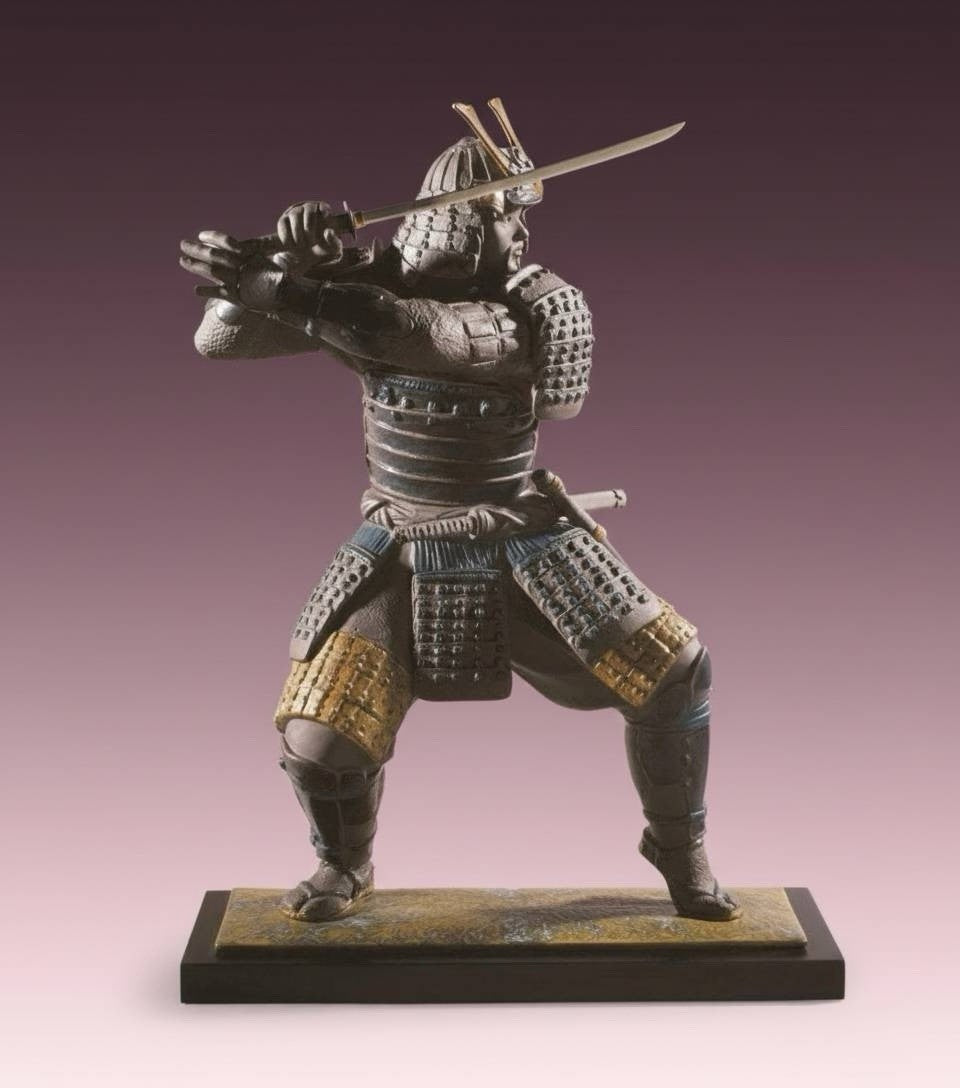

Evaluating Condition of Limited Edition Porcelain
Table of Contents
- Why Condition Matters for Limited Edition Porcelain Valuation
- Lladró Authenticity Marks and Signatures: What to Look For
- Porcelain Condition Report Checklist: A Step-by-Step Inspection
- How to Detect Repaired Porcelain and Hidden Damage
- Limited Edition Porcelain Value Factors Beyond Condition
- Condition Grading and Market Impact for Collectible Pieces
- Documenting Condition for Insurance, Sale, and Appraisal
- Frequently Asked Questions
Last Updated: October 14, 2026
Why Condition Matters for Limited Edition Porcelain Valuation
Evaluating condition of limited edition porcelain affects value, insurance, and resale potential.
Condition separates investment-grade pieces from decorative ones: a retired 1990s Lladró with perfect glaze may appreciate steadily, while one with hairline cracks will likely stagnate.
This matters whether buying, selling, or insuring: insurers require condition documentation, auction houses base estimates on condition, and collectors use grading to compare prices.
Lladró Authenticity Marks and Signatures: What to Look For
Before assessing condition, confirm authenticity. Lladró authenticity marks and signatures are the foundation of any valuation; reproductions have no collector value regardless of condition.
Where to find maker's marks:
Authentic Lladró pieces carry identifying marks on the base or underside:
- The Lladró name, typically printed or impressed
- A model number (usually starting with 01)
- Year of issue or production date
- The sculptor's signature or initials
Mark placement and style changed over decades: early pieces (1960s-1980s) differ from contemporary productions, and inconsistencies are a red flag.
What reproductions look like:
Counterfeit pieces often have:
- Blurry or poorly printed marks
- Marks that don't match documented Lladró styles for that era
- Missing sculptor signatures on pieces known to be signed
- Incorrect model numbers or year dates
If uncertain about authenticity, request a certificate of authenticity before purchase. Reputable dealers provide documentation with every piece, protecting your investment and simplifying insurance claims.
Porcelain Condition Report Checklist: A Step-by-Step Inspection
A structured inspection prevents missing damage that affects value. This porcelain condition report checklist walks through professional evaluation methods used by collectors and appraisers.
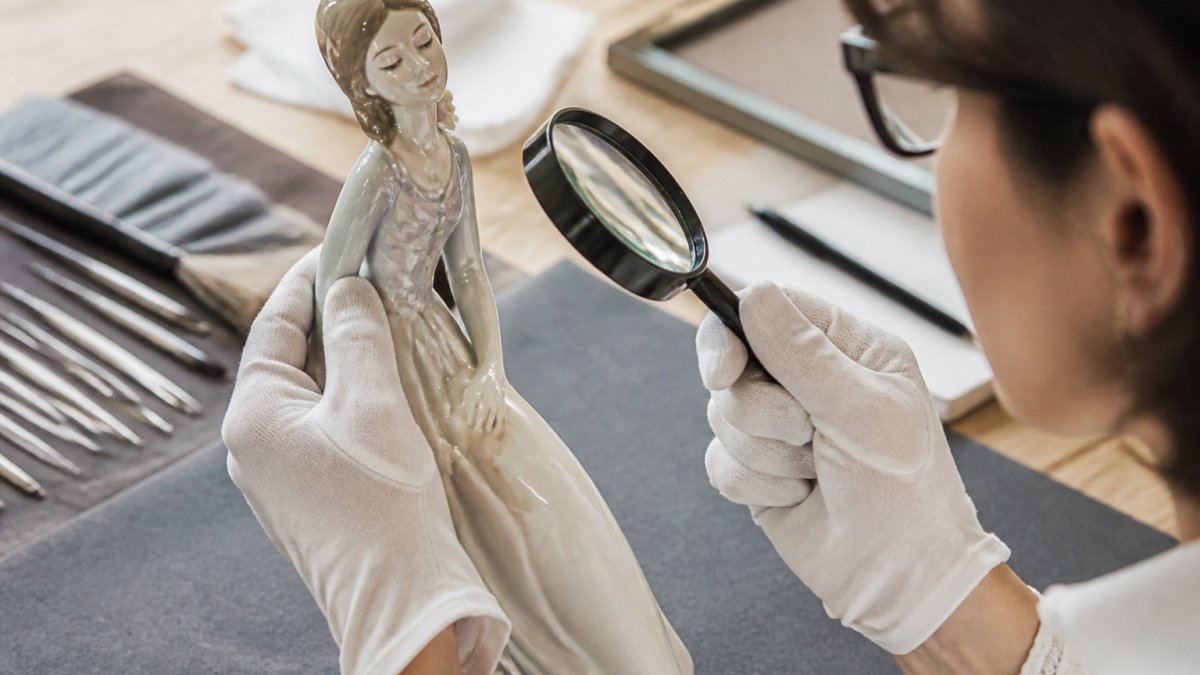
Visual Assessment Under Proper Lighting
Begin with visual inspection in natural daylight or bright LED lighting, which reveals surface defects dim lighting obscures.
Examine the entire piece systematically:
- Glaze surface: Look for color consistency, glossiness, and any dull or matte patches that suggest previous damage or repair
- Decorative details: Check painted areas, gilding, or applied ornaments for fading, chipping, or lifting
- Overall finish: Note whether the glaze appears uniform or shows signs of uneven aging
Move the piece slowly under light so shadows reveal hairline cracks, and check high-stress areas: the base, joins between limbs and torso, and protruding elements like flowers or architectural details.
Document what you see with photographs under consistent lighting for insurance, appraisal, or resale.
Handling and Physical Examination
Careful handling prevents new damage:
- Wear soft cotton gloves to prevent oils from your skin transferring to the porcelain
- Support the piece from underneath, never by protruding elements
- Place the sculpture on a soft, padded surface during inspection
- Examine the base closely for chips, cracks, or evidence of previous breaks
Feel the surface gently with gloved fingers to detect hairline cracks sight alone misses, and run a finger along joints and seams: ridges or rough edges indicate potential separation or repair lines.
Check the base for stability; a loose or wobbling piece suggests internal damage or deteriorated adhesives.
Documentation and Photography
Professional documentation supports insurance claims, appraisals, and future sales. Include:
- Detailed written description: Note every visible mark, chip, crack, or area of concern with precise location
- Multiple photographs: Capture the piece from all angles, including close-ups of any damage
- Lighting notes: Document the lighting conditions used during inspection for consistency in future assessments
- Date and condition grade: Record when the assessment occurred and your condition rating
This documentation establishes a baseline condition that protects against disputes about pre-existing damage.
How to Detect Repaired Porcelain and Hidden Damage
Repairs and restoration significantly impact value. A well-executed repair may be invisible to casual inspection, but collectors and appraisers know where to look.
Common repair methods and how to spot them:
Professional restoration is difficult but not impossible to detect. Look for:
- Color matching issues: Repaired areas may have slightly different glaze color or sheen than surrounding porcelain
- Seam lines: Where breaks were glued, you'll often see a faint line even after professional restoration
- Texture changes: Repaired sections sometimes feel slightly different under a gloved finger than original porcelain
- Uneven aging: Original porcelain ages uniformly. Repaired areas may show different patina or surface wear patterns
Under ultraviolet light, some repair materials fluoresce differently than authentic porcelain, which is why serious collectors use UV inspection.
Hidden damage that affects value:
Internal cracks don't always show on the surface. Look for:
- Hairline cracks that run from a visible chip deeper into the piece
- Stress cracks near joints where limbs connect to the body
- Crazing (fine network of cracks) in the glaze, which suggests age-related stress or improper firing
These internal issues affect structural integrity and insurance coverage; hidden damage risks sudden breakage, making a piece unsuitable for display or collection.
Limited Edition Porcelain Value Factors Beyond Condition
Condition is crucial, but limited edition porcelain value factors also include rarity, artist reputation, production era, and collector demand.
Rarity and edition size:
Smaller edition runs command higher prices: a Lladró produced in only 188 pieces worldwide (like the Guardian Lioness Blue) has more collector demand than one made in 1,500 pieces.
LLADRO Guardian Lioness Blue 01001990 NEW IN BOX High Porcelain LE 188 →

Production era and retirement status:
Pieces retired decades ago are scarcer than recently retired works.
Sculptor reputation:
Certain Lladró sculptors command premium prices.
Thematic demand:
Collectors often focus on themes like mythology, religious figures, animals, or cultural representations; high-demand themes appreciate more reliably than niche subjects.
These factors combine with condition to determine investment potential.
Condition Grading and Market Impact for Collectible Pieces
Professional condition grading uses standardized scales, but for limited edition porcelain the grade is only half the story.
Standard condition grades for limited edition porcelain:
- Mint / Perfect: No visible damage. Original glaze, color, gilding, and decoration completely intact. No repairs, restoration, or touch-ups. Factory-fresh surface with no crazing. Commands premium pricing, especially on low-numbered pieces.
- Near Mint: Minimal wear. Possibly one tiny imperfection not visible at arm's length. No repairs. Highly desirable and often indistinguishable from Mint in a display case.
- Excellent: Minor wear consistent with age. One or two small chips, light scratches, or very faint crazing. No major damage or restoration. Strong collector value.
- Very Good: Moderate wear. Several small chips or scratches. Possibly light, well-executed restoration not obvious without UV or magnification. Still acceptable for display and collection.
How edition factors change the grade's impact:
Four edition-specific variables shift how much a grade matters:
- Edition size: A piece from a run of 188 worldwide has a much smaller pool of surviving examples than one from a run of 1,500. In small editions, even a Very Good example can hold value because Mint examples rarely come to market. In large editions, buyers can wait for Mint, so lower grades lose pricing power quickly.
- Edition numbering: Low numbers (early in the run) are generally more desirable, and collectors often pay a premium for number 1, the last number, or a number matching a significant date. A low-numbered piece in Excellent condition can outperform a high-numbered piece in Near Mint condition.
- Completeness: Original box, certificate of authenticity, hang tags, and accompanying documentation are part of the collectible package. A Mint sculpture missing its certificate may trade closer to an Excellent complete example. Completeness effectively adds or subtracts half a grade in market terms.
- Discontinued status: Retired pieces have a fixed supply, so condition becomes the primary differentiator because no new examples can enter the market. For pieces still in production, buyers can order a new one, so condition matters less to price.
A practical way to combine grade and edition factors:
Instead of asking "what grade is this?", ask "what grade is this, in this edition, with this completeness?"
- Start with the physical grade (Mint through Fair).
- Adjust up if the edition is small, the number is low, the piece is retired, and the box and certificate are present.
- Adjust down if the edition is large, the number is high, the piece is still in production, or documentation is missing.
- Compare the adjusted result against recent sold prices for similar examples, not asking prices.
Why accurate grading matters:
Overgrading leads to unrealistic asking prices and failed sales; undergrading leaves money on the table. For limited editions, grading errors cost more because the buyer pool is smaller and better informed.
Documenting Condition for Insurance, Sale, and Appraisal
Most guides tell you to "document the condition" without showing what that looks like.
The photo checklist: capture these shots every time
- Full front view, piece centered, entire silhouette visible.
- Full back view, same framing, so front and back can be compared over time.
- Left and right profile views, captures protruding elements like flowers, limbs, or architectural details.
- Top-down view, shows the upper surface and applied decoration.
A sample condition-report template
Copy this structure into a document, one file per piece.
- Identification: Maker, model name, model number, edition size, edition number, year of issue, year of retirement (if applicable), sculptor.
- Dimensions and weight: Height, width, depth, weight. Measure rather than estimate.
- Completeness: Original box (yes/no), certificate of authenticity (yes/no), hang tags (yes/no), other documentation.
- Condition grade: Mint / Near Mint / Excellent / Very Good / Good / Fair, using the definitions above.
What insurers typically require
What dealers and auction houses want
When consigning or selling, provide the condition report, full photo set, original box and documentation if available, provenance, and any previous appraisals or certificates.
Repair disclosure and its effect on resale
If a piece has been repaired or restored, disclose it.
Keeping the record current
Re-inspect and re-photograph each piece every 12 to 24 months, and after any move, loan, or display change.
Frequently Asked Questions
What should you look for when evaluating the condition of limited edition porcelain?
Start by examining the glaze for color consistency and surface quality. Look for chips, cracks, breaks, and signs of repair using direct lighting. Check the maker's mark and signatures for authenticity. Assess the overall structural integrity by gently handling the piece. Document any imperfections with photographs from multiple angles. For limited edition pieces like Lladró sculptures, verify the edition number matches the certificate. Condition directly affects market value, so thorough documentation is essential for insurance and resale purposes.
How can you tell if porcelain has been repaired?
Repaired porcelain often shows color mismatches where adhesives or fillers have been applied. Use ultraviolet light to detect restoration work that may not be visible under normal lighting. Run your fingers gently along seams and joints to feel for rough spots or adhesive buildup. Look for paint or glaze that appears newer or shinier than surrounding areas. Chips that have been filled will feel smoother than natural breaks. Professional repairs may be harder to detect, so compare the piece to known examples. Undisclosed repairs significantly reduce collector value and authenticity ratings.
Is porcelain worth more when it has its original box and certificate?
Yes. Original packaging and certificates of authenticity substantially increase value for limited edition porcelain. Collectors expect documentation proving edition number, production year, and condition at time of sale. Original boxes protect the piece and signal proper storage and handling. For investment-grade pieces, a complete condition report with certificate can increase resale value by 15-30% compared to unboxed examples. Museums and serious collectors require provenance documentation. When acquiring limited editions, prioritize pieces with original boxes, bases, and certificates of authenticity to preserve maximum market value.
What does mint condition mean for collectible porcelain?
Mint condition means the porcelain shows no visible damage, wear, or imperfections. The glaze is uniformly colored with no chips, cracks, breaks, or repairs. The piece retains its original finish and decorative details without fading or discoloration. Original packaging, base, and certificate of authenticity are included and in excellent condition. For limited editions, mint condition pieces command premium prices because they are rare and represent the artist's original vision. Even microscopic flaws drop a piece below mint status. Collectors seeking investment-grade limited edition porcelain specifically seek mint or near-mint examples to preserve long-term value.


