

The Collector's Guide to Lladró Investment Value
Last Updated: November 4, 2026
Quick Summary
Lladró investment value is driven by rarity, condition, completeness, and provenance rather than age or beauty alone. A numbered limited edition with a small worldwide size and a documented sculptor is the strongest candidate, while large open-edition figurines rarely reward a seller. No piece is guaranteed to appreciate.
- Retirement and rarity are not the same thing, and treating them as synonyms is the most common error.
- A retired limited edition of 1,000, such as On The Balcony, shows how both factors combine.
- Grade condition explicitly, noting chips, hairlines, restoration, glaze wear, fading, and missing elements.
- Auction commissions, seller's premiums, shipping, and insurance all come out of the sold price.
- Fine porcelain sells in months, not days, because the buyer pool is narrow.
Table of Contents
- Understanding Lladró Investment Value
- Key Factors That Drive Lladró Collectible Value
- Identifying Authentic Lladró Porcelain
- Rare Lladró Masterpieces and What They Command
- Reading the Market: Auction Results and Comparable Sales
- The Realities of Lladró as a Financial Investment
- Building a Collection With High End Collectibles
- Frequently Asked Questions
Understanding Lladró Investment Value
Lladró collectibles investment value rests on a simple principle: a sculpture's worth is set by rarity, condition, and collector demand, not by age or beauty alone.
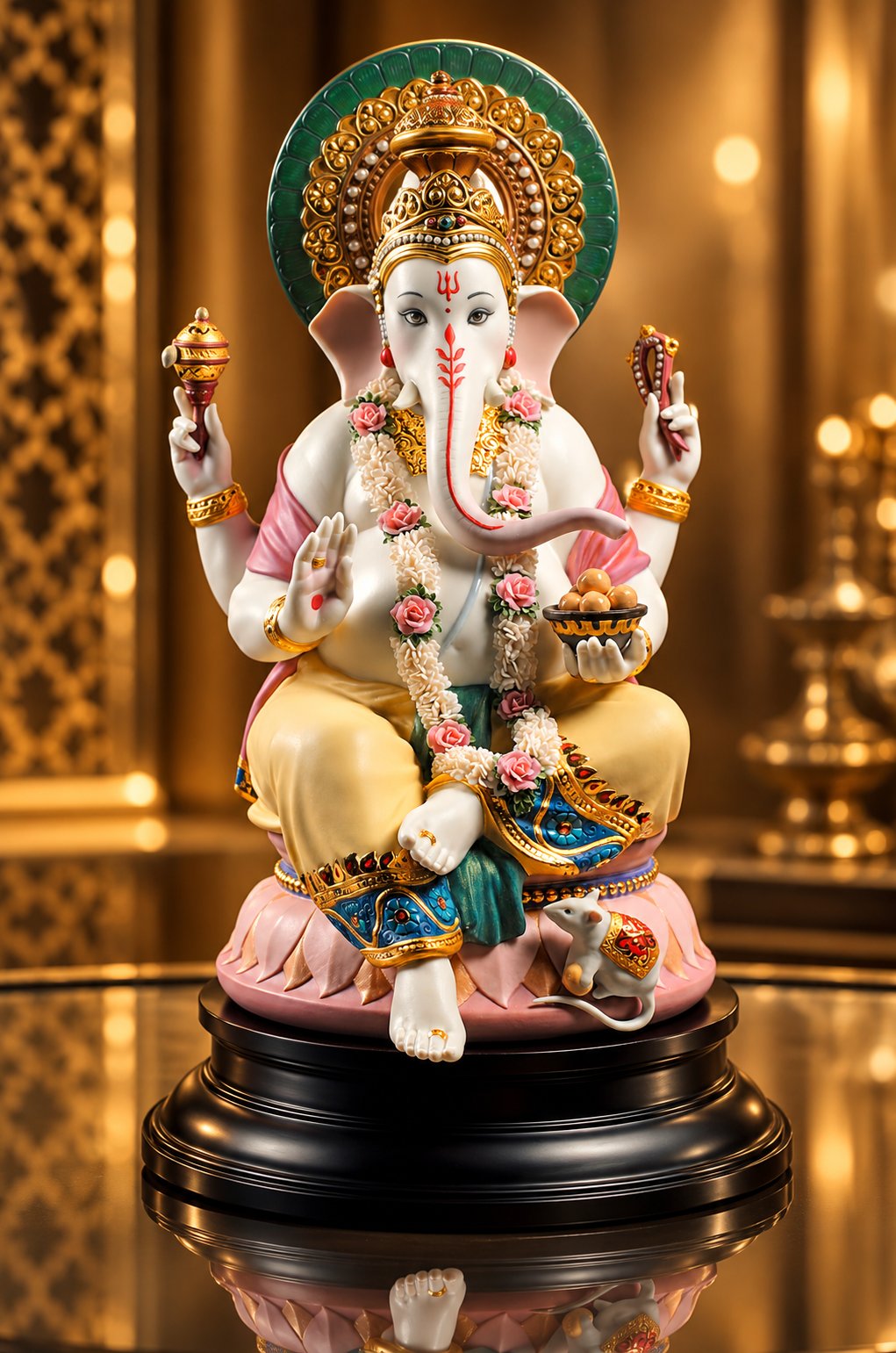
The distinction matters because the phrase "Lladró investment" gets used loosely. A decorative piece brings pleasure every day it sits on a shelf. An investment piece brings a documented edition, a known sculptor, a verifiable history, and a buyer pool that will still exist when you decide to sell.
What Separates an Investment Piece from a Decorative One
Look for a numbered limited edition with a stated worldwide size, a sculptor whose major works are catalogued and discussed, or a retired piece produced in small numbers and now genuinely difficult to source complete. A large, attractive open-edition figurine made for decades may be lovely to live with, yet it will rarely reward a seller.
Key Factors That Drive Lladró Collectible Value
Value in this market is cumulative. No single attribute carries a piece on its own; the combination separates a strong example from an ordinary one. We assess four things first: rarity, condition, completeness, and provenance.
Rarity, Edition Size and Retirement Status
Rarity is the engine. A limited edition of 188 pieces worldwide occupies a different market position from an edition of several thousand, and collectors respond accordingly.
Watch out: retirement and rarity are not the same thing, and treating them as synonyms is the most common error we see. A piece can be retired after a long run and remain plentiful.
A retired limited edition of 1,000, such as On The Balcony, shows how the two factors combine into genuine collector interest.

Condition, Provenance and Original Packaging
Condition is where value is won or lost. A pristine example with no chips, no hairline cracks, no restoration, and no fading commands attention.
Original packaging and paperwork carry more weight than new collectors expect. A rare retired piece offered mint and complete, like Bird Trio, tells a buyer the sculpture has been looked after since it left the workshop.

Identifying Authentic Lladró Porcelain
The backstamp is your first check. Lladró marks have changed over the decades, and the style of the mark should be consistent with the piece's production period.
Then examine the sculpture itself.
Authentication also depends on documentation. Ask for the original box, certificate, and any prior sales records. Where a seller cannot supply them, the price should reflect that gap.
Rare Lladró Masterpieces and What They Command
Rare Lladró masterpieces sit at the top of the market because they combine scale, sculptural ambition, and tightly controlled editions.
Consider the scale of these works. Guardian Lioness in blue, designed by Francisco Polope and issued in a limited edition of 188 worldwide, stands over 27 inches tall and more than 32 inches wide.
What these pieces command reflects that combination of size, sculptor, and edition. A large-scale High Porcelain limited edition is not a shelf ornament; it is a room-defining work, and the buyer pool for it is smaller, wealthier, and more deliberate than the general figurine market.

These are the documented editions and dimensions behind the market's top tier.
| Piece | Sculptor | Edition size | Note |
|---|---|---|---|
| Guardian Lioness in blue | Francisco Polope | 188 worldwide | Over 27 inches tall, more than 32 inches wide |
| The Three Kings Set | Fulgencio García | 270 | Retired; spans more than 41 inches |
| Alexander Nevski | Alfredo Llorens | 500 | Retired in 2023 |
| Wisdom of Buddha | Salvador Furió | 750 | Retired in 2016 |
Reading the Market: Auction Results and Comparable Sales
Comparable sales are the closest thing this market has to a price guide, and reading them well takes discipline. An asking price tells you what a seller hopes for; a sold price tells you what a buyer actually paid. Only the second is evidence, and only when matched carefully to the piece in front of you.
A Repeatable Valuation Workflow
- Establish identity. Record the model number, the backstamp style, the finish, and the sculptor where documented. A valuation built on a misidentified piece is worthless, however carefully researched.
- Grade condition explicitly. Note chips, hairlines, restoration, glaze wear, fading, and missing elements. Grade against the piece as catalogued, not against your hopes for it.
- Confirm completeness. Original box, certificate, display base, and any accompanying paperwork each shift the piece within its tier.
- Gather sold comparables. Pull completed results from auction houses and established dealers, prioritizing the same model number and finish. Keep the raw results, including the ones that disappoint.
- Adjust, don't average. A result for a piece without its box is not a direct comparable for a complete example. Move the range up or down for condition, completeness, and recency rather than blending incompatible sales into a single figure.
- Sanity-check against the edition. A small worldwide edition supports a tighter, higher range; a long-running open edition supports a lower one. If your comparables contradict the edition size, re-examine the comparables.
- Document the file. Keep photographs, the identifiers you recorded, the sold results you relied on, and the date of each. A documented valuation supports insurance, negotiation, and a future sale.
Watch out: the most common error is treating a single strong auction result as a market level. One enthusiastic buyer on one day is an anecdote, not a trend.
LLADRO Guardian Lioness Blue 01001990 NEW IN BOX High Porcelain LE 188 →
From Headline Price to Net Proceeds
A sold price is a gross figure. What an owner receives is lower, and the gap is larger than most sellers expect. Auction commissions and seller's premiums, shipping, insurance in transit, and any listing or photography costs all come out of the result.
The practical implication is that a piece must clear its transaction costs before it produces any return at all. A modest gain on paper can become a loss once the mechanics are applied.
Liquidity: How Long Fine Porcelain Actually Takes to Sell
Fine porcelain sells slowly. The buyer pool for a rare or High Porcelain piece is narrow by definition, and the right buyer may not be shopping in the week you list.
That has two consequences. First, pricing for a quick sale means accepting less than a patient sale would return. Second, a piece's value is not truly tested until it sells; until then, any figure is an estimate. Both are reasons to enter the market with clear expectations and a documented file.
The Realities of Lladró as a Financial Investment
Lladró is a collectible market, not a securities market, and the honest framing is that artistic merit and financial performance are separate questions. Some pieces hold their value well. Some appreciate. Others decline, and no reputable dealer can promise otherwise. What follows is how to think about performance, cost, and risk as an investor rather than only as a collector.
Performance Is Uneven, and Averages Mislead
There is no reliable, published index of Lladró prices comparable to an equity benchmark, and anyone who presents a single appreciation figure for the category is overstating what the evidence supports.
Watch out: inflation quietly erodes a nominal gain. A piece that sells years later for more than it cost may still represent a real loss once inflation and transaction costs are applied.
The Costs of Holding
Porcelain is not a passive holding. Insurance, secure storage, climate control, and careful handling all carry ongoing costs that compound over a holding period. A piece that produces no income while costing money to keep is a concentrated, illiquid position, and it should be sized accordingly within a collection.
Documentation is part of the cost of ownership, not an afterthought. Records from the day of purchase support insurance, ease a future sale, and matter enormously in estate planning.
The Risks That Actually Bite
Four risks deserve explicit attention, because each can turn a sound purchase into a poor one.
- Condition sensitivity. Porcelain is fragile, and a single chip or hairline can move a piece into a lower tier permanently. Condition risk is highest for large, elaborate works with projecting elements.
- Changing taste. Collector demand shifts with fashion and generation. A subject that commands attention today may not command it in twenty years, and no dealer can forecast that shift.
- Authenticity and reproduction risk. The market contains pieces that fail on marks, palette, or modeling. Buying without documentation and without verifying identifiers exposes a buyer to losses that no later appraisal can recover.
- Concentration. A collection built around one sculptor, one series, or one category is exposed to that niche's fortunes. Diversifying across themes reduces the impact of any single shift in taste.
Sizing Porcelain Within a Collection
The collectors who do best treat porcelain as one part of a broader picture. They buy the best example they can afford rather than several average ones, because quality concentrates demand. They keep records from the outset, buy what they genuinely love, and treat financial upside as a welcome possibility rather than a plan.
Building a Collection With High End Collectibles
A coherent collection beats an accumulation every time. Decide on a theme, High Porcelain, a sculptor's major works, a cultural series, or a single subject pursued in depth, and let it guide each acquisition. Themed collections are easier to document, insure, and sell as a group.
Our inventory is organized by rarity, artistic heritage, and collector demand. If you are drawn to narrative sculpture, the Don Quixote collection offers a natural starting point or a way to extend an existing focus. Collectors pursuing the scarcest works can browse our Rare & Retired Lladró Masterpieces, while those drawn to tightly controlled editions will find our Limited Collections a useful place to begin.
For Discerning Lladró Collectors, the right acquisition is the one you can document, justify, and enjoy for years.
Frequently Asked Questions
Which Lladró figurines are worth money?
Value concentrates in pieces with documented rarity: High Porcelain creations, low-numbered limited editions, and retired sculptures with strong collector demand. Large-scale works such as Guardian Lioness (Blue), a limited edition of 188, or the Three Kings Set, retired in 2024 at 270 pieces, illustrate the tier collectors pursue. Standard open-edition figurines rarely command significant sums. Condition, original box and base, and verifiable provenance all affect what a piece realizes.
Will Lladró increase in value?
No one can guarantee appreciation, and porcelain should not be treated as a certainty. Some retired and limited-edition works hold or gain value when demand outpaces supply, while others plateau or decline. Edition size, sculptor reputation, condition and collector interest all influence outcomes. Buy for artistic merit first, and treat any financial return as uncertain rather than promised.
How do I value my Lladró figurines?
Start by recording the item number, sculptor and backstamp, then compare against realized auction prices rather than asking prices. Condition, completeness of the original box and base, and provenance affect the figure. For significant pieces, a professional valuation supports insurance and estate planning. High End Collectibles organizes inventory by rarity and collector demand, which helps collectors benchmark comparable works.
How does High Porcelain differ from standard Lladró production?
High Porcelain pieces involve more elaborate sculptural detail, richer ornamentation and typically smaller editions than standard production. Examples include Wisdom of Buddha, a limited edition of 750 retired in 2016, and Lion Dance, limited to 500. The added complexity and restricted supply are central to why these works attract serious collectors and command higher values.
What should collectors look for when assessing condition?
Examine the piece under good light for chips, hairline cracks, restoration and loss of glaze or gold. Confirm the original box, base and paperwork are present, since completeness supports value. Request detailed photographs and provenance before committing. Pristine, complete examples are consistently more desirable than pieces with undocumented wear.
The difference between a collection that endures and one that scatters is the discipline behind each purchase. High End Collectibles curates rare, retired, and limited edition Lladró masterpieces organized by rarity, artistic heritage, and collector demand, with detailed listings covering item numbers, sculptors, edition sizes, and condition, plus free insured shipping on eligible pieces from Spain. Explore the collection and acquire with confidence.


