

7 Porcelain Fairy Sculptures for Unforgettable Gift Giving
Last Updated: November 16, 2026
Quick Summary
Porcelain fairy sculptures make lasting gifts when you match the subject to the recipient and confirm condition and completeness before buying. Choose a named sculptor, a documented edition, and the original box and certificate so the piece arrives gift-ready. Pieces like Tinker Bell 01007518 and Forest Nymph 01011894 suit different recipients.
- Tinker Bell 01007518 was sculpted by Francisco Polope and issued and retired in 1992.
- Waiting for a Rainbow 01006803 is a limited edition of 2,000 pieces worldwide.
- Forest Nymph 01011894 arrives mint with its original box, display base, and certificate.
- Lift sculptures from the base with both hands, never by a wing, arm, or flower.
- Keep the original box and certificate flat and dry as part of the piece's documentation.
Table of Contents
- Why Porcelain Fairy Sculptures Make Exceptional Gifts
- Collectible Porcelain Fairy Figurines: What Separates Art from Decoration
- Gifting Fine Art Porcelain: Matching the Piece to the Recipient and Occasion
- Featured Porcelain Fairy Sculptures: A Curated Comparison
- Reading a Porcelain Sculpture Condition Report Before You Buy
- Investing in Fine Porcelain Art: What a Gift Can Hold in Value
- Care, Packaging, and Presentation for a Gift That Lasts
- Choosing Your Porcelain Fairy Gift at High End Collectibles
- Frequently Asked Questions
Why Porcelain Fairy Sculptures Make Exceptional Gifts
A porcelain fairy sculpture is a gift that outlasts the occasion. Unlike flowers or wine, a handcrafted figurine stays on a shelf for decades, carrying the memory of the giver.
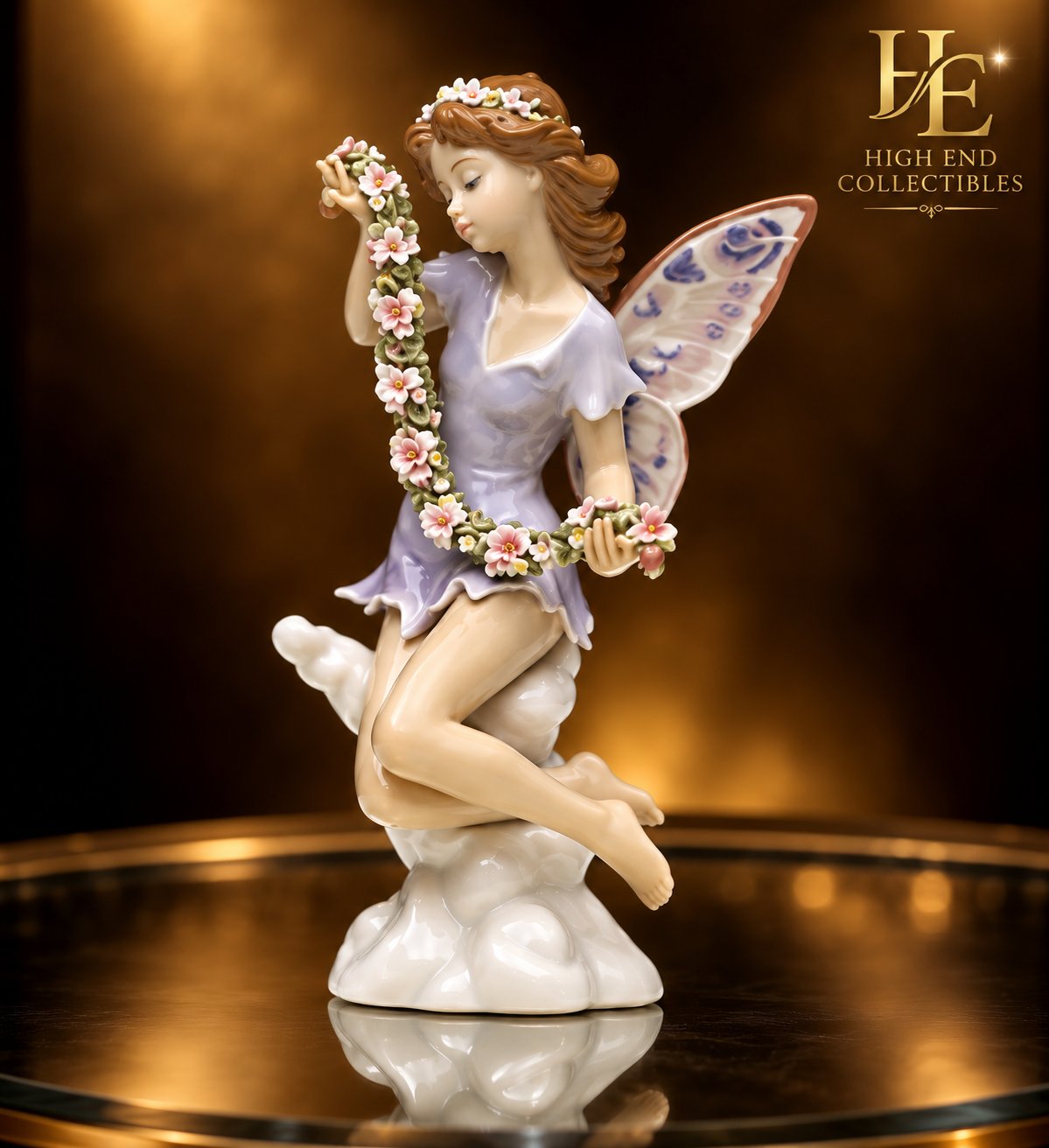
The appeal sits in three qualities: craftsmanship you can see up close, a subject that feels whimsical rather than formal, and rarity that gives the gift a story. A fairy suits a christening, a milestone birthday, a retirement, or a quiet thank-you to someone who has everything.
Below, we explain how to match a piece to a recipient, read a condition report, and present the gift so it lands properly.
Collectible Porcelain Fairy Figurines: What Separates Art from Decoration
Collectible porcelain fairy figurines are defined by authorship, technique, and edition size, not by subject alone. A decorative ornament and a collector-grade sculpture can share the same silhouette, yet differ enormously in how they were made and how they hold their place in a collection.
Handcrafted, Hand-Painted, and Artist-Designed
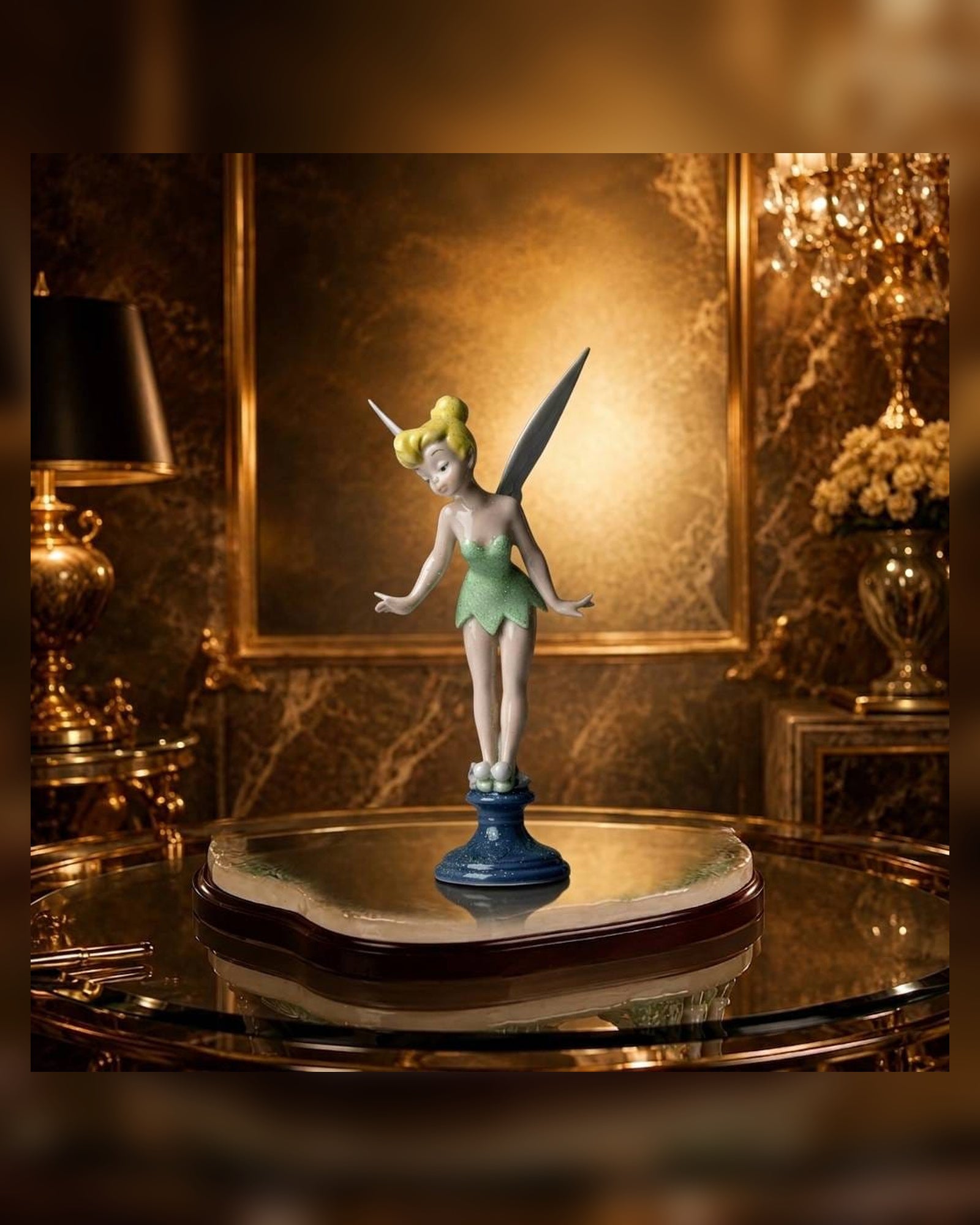
Lladró pieces are modeled by named sculptors, and that authorship matters. Tinker Bell #01007518, for instance, was created by Francisco Polope and issued and retired in the same year, 1992.
Retired Editions and the Meaning of Rarity
Retirement is often misunderstood. A retired sculpture is simply one no longer in production, which limits supply but does not by itself establish value. A limited edition is different: the edition size is fixed and declared. Forest Nymph #01011894, sculpted by Marco Antonio Noguerón, was issued in 2004 and retired in 2022, while Waiting for a Rainbow #01006803 was produced as a limited edition of 2,000 pieces worldwide.
Gifting Fine Art Porcelain: Matching the Piece to the Recipient and Occasion
Gifting fine art porcelain works best when the subject matches the person, not the occasion's formality. A whimsical fairy suits a lighthearted recipient; a matte, sculptural nymph suits someone with a restrained interior. Work from the recipient outward, their taste, their space, the moment you are marking, then confirm the piece suits how it will actually be used.
Start With the Recipient, Then the Occasion
Ask three questions before choosing:
- Who is receiving it? A Disney admirer will treasure Tinker Bell; a nature lover will respond to Forest Nymph; a collector will value completeness and documentation above all.
- Where will it live? A glazed, colorful piece holds its own on a busy shelf, while matte porcelain reads better in a quiet, minimal room. Consider the light, the shelf height, and the viewing distance.
- What is the occasion? A christening or anniversary invites symbolism; a housewarming invites something that complements the home; a retirement or milestone birthday invites a piece with a story behind it.
Size matters as much as style. A 17-inch sculpture commands a mantel; a smaller figurine suits a bedside table or a collector's cabinet. Measure the intended spot before you fall in love with a silhouette.
Matching the Piece to the Occasion
A few patterns hold up well across most gift-giving situations:
- Christenings and births. Choose a gentle, protective theme, a sleeping fairy or a figure with flowers, and favor a piece that can be displayed in a nursery or a family room as the child grows.
- Milestone birthdays and anniversaries. A limited edition with a documented sculptor and edition size gives the gift a story worth retelling. Waiting for a Rainbow #01006803, a limited edition of 2,000, suits this role.
- Weddings and housewarmings. Favor pieces that complement an interior rather than dominate it; a matte finish and a restrained palette tend to age well with changing decor.
- Retirements and thank-yous. A recognizable character such as Tinker Bell #01007518 works when the recipient's tastes are known; a nature-themed piece works when they are not.
- For a fellow collector. Completeness, original box, display base, and certificate of authenticity, often matters more than the subject. Forest Nymph #01011894, mint with its box and certificate, fits this brief.
Choosing a Safe, Suitable Gift
Porcelain is a display material, not a play material, and fine wings, fingers, and floral details are fragile to the touch. If the recipient is a child, treat the piece as a family keepsake rather than a toy and place it well out of reach.
Fairy Themes and Poses That Carry Meaning
Themes carry quiet messages. A flower fairy suggests growth and renewal, a sleeping fairy suggests peace, and a playful pose suggests joy. If you are drawn to a nature theme, the retired Forest Nymph sculpture embodies that idea with its oversized flowers and serene posture.
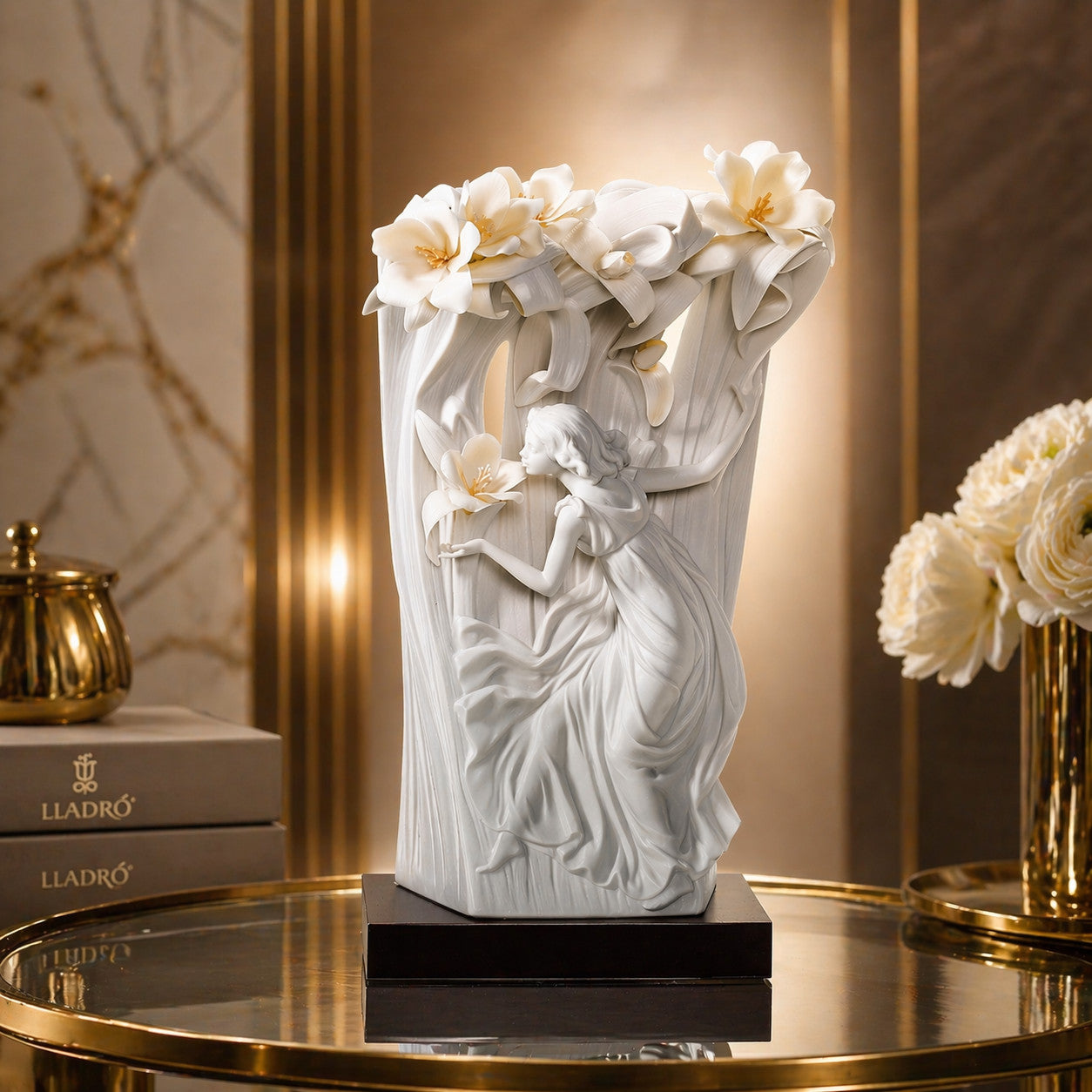
Symbolism should feel personal, never explained at length on the card. A single line naming the sculptor and the year of retirement is usually enough.
Featured Porcelain Fairy Sculptures: A Curated Comparison
Lladró Tinker Bell #01007518 is our pick for a recognizable character. You can view the limited-edition Tinker Bell sculpture in detail.
Lladró Forest Nymph #01011894 suits a collector who values completeness.
Lladró The Glass Slipper #01005957, sculpted by José Puche and retired in 2001, brings a fairytale theme at 11 inches.
Fairy Flowers #5861 by Joan Coderch, retired in 1995, is a classic glazed piece for traditional tastes, and the Fairy Garland figurine offers a softer alternative. For a full look at the first, see the retired Fairy Flowers piece.
| Sculpture | Sculptor | Edition | Finish | Best For |
|---|---|---|---|---|
| Tinker Bell #01007518 | Francisco Polope | Limited, 1,500 | Glazed | Disney and character fans |
| Forest Nymph #01011894 | Marco Antonio Noguerón | Retired 2022 | Matte | Complete-set collectors |
| Waiting for a Rainbow #01006803 | Regino Torrijos | Limited, 2,000 | Glazed | Christenings, family gifts |
| The Glass Slipper #01005957 | José Puche | Retired 2001 | Glazed | Fairytale lovers |
| Fairy Flowers #5861 | Joan Coderch | Retired 1995 | Glazed | Traditional interiors |
Best for: Tinker Bell if the recipient loves Disney; skip if they prefer abstract, non-character subjects.
Reading a Porcelain Sculpture Condition Report Before You Buy
A porcelain sculpture condition report is a written account of a piece's physical state, and it should be read before money changes hands. It tells you what you are gifting and protects you if the piece arrives differently than described.
Look for these details:
- Condition grade. "Mint" should mean free of chips, cracks, and restoration.
- Completeness. Original box, base, and certificate of authenticity all affect presentation and future resale.
- Known flaws. A honest listing names any hairline or glaze irregularity.
- Photographic evidence. Ask for close-ups of hands, wings, and the base, where damage shows first.
A common mistake is treating the box and certificate as packaging rather than part of the piece. For a gift, that completeness is often what makes the presentation feel finished.
Investing in Fine Porcelain Art: What a Gift Can Hold in Value
Investing in fine porcelain art is a long-term pursuit, and no sculpture should be bought on a promise of appreciation. Porcelain is not a guaranteed investment, and no return can be promised. A piece may carry cultural and emotional value, supported by documented rarity.
Three factors support long-term desirability: a named sculptor, a fixed edition size, and complete documentation. Tinker Bell's 1,500-piece edition and single-year production window make it a crossover collectible for Lladró and Disney collectors alike.
Treat these as reasons a piece is sought after, not as forecasts. For collectors, the retired and limited Lladró collection is where rarity and heritage are easiest to compare, and our Rare & Retired Lladró Masterpieces selection brings together rare and retired pieces for collectors.
Care, Packaging, and Presentation for a Gift That Lasts
Care begins before the gift is opened. Porcelain is best kept away from sudden temperature change and direct sunlight, and handled carefully by the base rather than the wings or hands. A gift that arrives intact and stays intact comes from a few deliberate habits, applied from the moment you take possession to the moment it is displayed.
Handling and Everyday Care
Practical handling rules:
- Lift sculptures from the base with both hands, never by a wing, arm, or flower.
- Dust with a soft, dry brush rather than a damp cloth; moisture can work into glaze lines and matte finishes.
- Keep pieces out of direct sun to protect hand-painted color, especially the blush and floral shading that distinguish hand-finished work.
- Avoid placing porcelain near radiators, open windows, or anywhere it may experience rapid temperature change.
- Store the original box and certificate flat and dry; they are part of the piece's documentation, not disposable packaging.
For long-term display, a closed cabinet or a shelf away from foot traffic reduces the risk of accidental knocks. If the piece must be moved, clear the path first and carry it alone.
Packaging and Shipping a Fragile Gift
Presentation matters as much as protection. Keep the certificate with the sculpture where one is included, and consider a short note naming the sculptor and the year of retirement.
Receiving and Checking the Gift
When a porcelain gift arrives, inspect it before wrapping or presenting it. Check the hands, wings, and base first, since damage shows there earliest, and compare the piece against its listing photographs.
Presentation That Honors the Piece
A porcelain fairy is often opened in front of others, so the reveal deserves a little thought. Keep the certificate with the sculpture rather than tucked into a card, and place the piece on a stable surface as it is unwrapped.
For collectors, the original box and certificate are part of the gift's completeness and should be handed over with the sculpture.
Choosing Your Porcelain Fairy Gift at High End Collectibles
Choosing well comes down to matching subject, condition, and documentation to the person receiving it. A gift that fits the recipient's taste and arrives complete will be kept, displayed, and remembered.
We curate rare, retired, and limited-edition Lladró masterpieces, organize our inventory by rarity and artistic heritage, and ship select pieces from Spain with free insured shipping to U.S. addresses, with duties the buyer's responsibility. Browse the latest arrivals of rare and retired Lladró pieces to see what is currently available.
A porcelain fairy given with care becomes part of a home and, often, part of a family's story. Explore the rare and retired Lladró masterpieces at High End Collectibles and give a sculpture worth keeping.
Frequently Asked Questions
What makes porcelain fairy sculptures a meaningful gift?
A porcelain fairy sculpture carries the weight of handcraft, with delicate wings and floral details. For a collector, the gift also carries provenance, especially when the piece is a retired or limited edition with a documented item number and sculptor. Match the theme to the recipient, such as a flower fairy for a garden lover or a sleeping fairy for a quiet, contemplative collector, and the gift reads as personal rather than generic.
How do I verify the authenticity of a collectible porcelain fairy figurine?
Start with the maker's mark on the base and compare it to documented examples from the same production era. Ask for the item number, sculptor name, and any original box or certificate of authenticity. A condition report with clear photographs of the base, wings, and any floral details helps confirm the piece matches its description.
Are retired porcelain sculptures better gifts for collectors?
Retirement means the piece is no longer in production, which appeals to collectors completing a themed set or seeking a specific era. It does not automatically make a sculpture rare or valuable, so treat retirement as one factor among several. Edition size, condition, completeness of the original box and certificate, and the sculptor's reputation all matter. For a gift, a retired piece with full presentation often feels more considered than a current production item.
How should delicate porcelain fairy figurines be cared for and shipped as a gift?
Display the sculpture away from direct sunlight and handle it by the base rather than the wings or floral details. Dust with a soft brush instead of a damp cloth. Where available, keep the original box and inserts for display and transport.


