

How to Build a Porcelain Collection: 2026 Guide
Table of Contents
- Understanding Porcelain and What Makes Collections Worth Building
- How to Identify Authentic Lladró Porcelain and Verify Quality
- Finding and Sourcing Rare and Retired Lladró Figurines
- Creating a Collection Strategy and Investment Framework
- Porcelain Figurine Display Ideas for Your Collection
- How to Care for Porcelain Figurines and Maintain Value
- Documenting, Insuring, and Protecting Your Collection
- Frequently Asked Questions
Last Updated: October 17, 2026
Understanding Porcelain and What Makes Collections Worth Building
Porcelain stands apart from other ceramics because of its composition, firing temperature, and translucency. True porcelain is made from kaolin, feldspar, and silica, fired above 1200°C, creating a non-porous, durable material far harder than earthenware or stoneware. Held against light, authentic porcelain transmits a soft glow that collectors immediately recognize.
Learning how to build a porcelain collection differs from collecting other decorative arts: figurines combine artistic vision with industrial craftsmanship, each piece telling a story through its sculptor's design, the factory's execution, and its historical moment.
Why collect porcelain? Not purely for aesthetics. Retired and limited-edition pieces appreciate over time, particularly with pristine condition and complete documentation, a figurine issued at $500 may sell for $2,000 or more a decade later, depending on edition size, retirement status, and demand.
The foundation of any strong porcelain collection is understanding what makes pieces desirable. Limited-edition status matters, the smaller the run, the rarer the piece. Artist reputation and sculptural complexity also drive interest; a figurine by an acclaimed Lladró sculptor like Francisco Polope or Salvador Furió commands premium prices over simpler designs.
How to Identify Authentic Lladró Porcelain and Verify Quality
Authenticity is the cornerstone of a valuable porcelain collection. Counterfeit Lladró figurines range from obvious knockoffs to sophisticated reproductions, so learning to authenticate pieces protects both your investment and your collection's integrity.
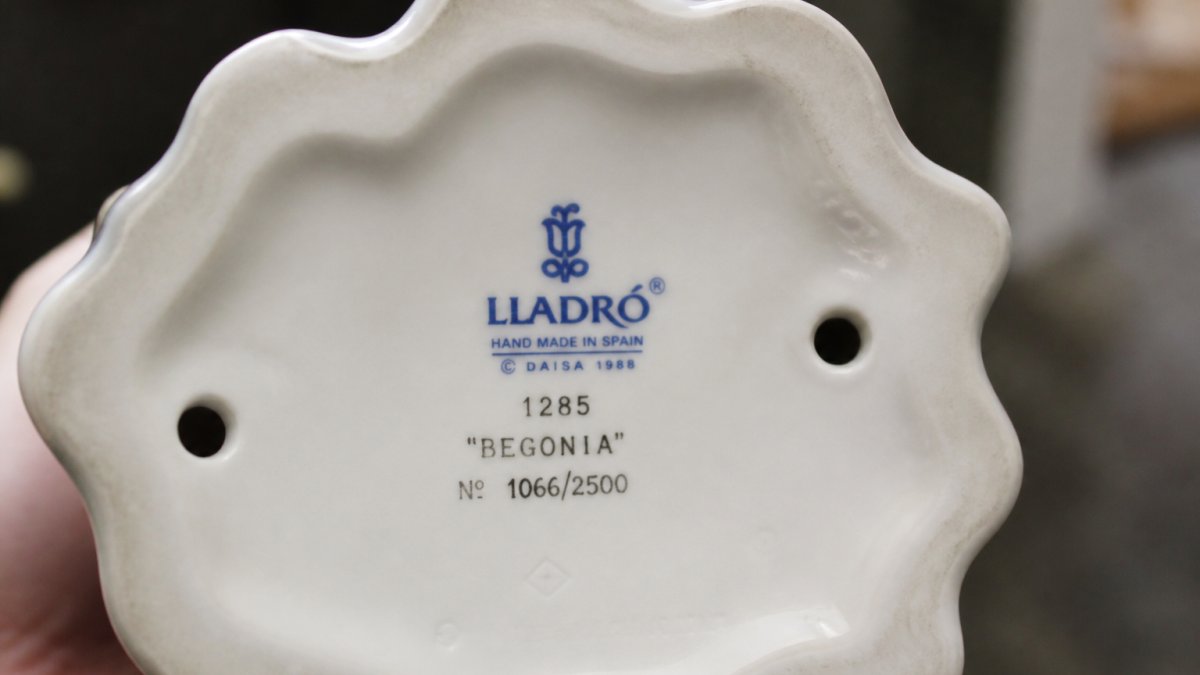
Genuine Lladró exhibits specific physical characteristics. The backstamp on the bottom is your first checkpoint: pre-1960 pieces carry a hand-painted mark, 1960s-70s pieces show printed marks with specific fonts and spacing, and modern pieces display contemporary logos with item numbers and edition information. Counterfeit backstamps often have inconsistent spacing, incorrect fonts, or spelling errors.
Sculpting quality separates authentic pieces from fakes. Lladró's master sculptors show exceptional anatomical accuracy and fine detail, examine facial features closely, since genuine pieces have precisely painted eyes, eyebrows, and expressions while counterfeits show sloppy paint or misaligned features.
Documentation strengthens authentication and adds significant value. Original boxes, certificates of authenticity, and provenance records prove a piece's legitimacy and history, so always request complete documentation when buying retired or limited-edition figurines.
Finding and Sourcing Rare and Retired Lladró Figurines
Sourcing rare and retired Lladró figurines requires patience, knowledge, and access to specialized dealers. The secondary market operates differently from retail: pieces disappear from circulation, demand fluctuates with collector interest, and prices vary dramatically with condition and documentation.
Building relationships with reputable dealers accelerates collection growth.
Estate sales and auction houses occasionally yield exceptional finds but require caution: condition issues often go undisclosed, and pieces may have been stored poorly, exposed to humidity, or suffered minor damage that significantly reduces value. Inspect in person when possible, or request detailed condition photographs and documentation before committing.
Online marketplaces offer convenience but present authentication risks, since general resale platforms lack the expertise to verify authenticity or condition. Specialized porcelain forums and collector societies provide peer recommendations, and many serious collectors belong to Lladró collector associations that facilitate direct member-to-member sales, a safer channel for high-value transactions.
The rarest pieces command premium prices for legitimate reasons. The Guardian Lioness (Blue) #01001990, for example, was a limited edition of only 188 pieces worldwide; its rarity, combined with Francisco Polope's artistry, makes it a museum-quality investment piece.

Creating a Collection Strategy and Investment Framework
Understanding how to build a porcelain collection strategically separates serious investors from casual buyers. Without a coherent strategy, collections become scattered impulse purchases; a thoughtful framework ensures each piece adds value and meaning to your portfolio.
Define your collection's focus: by period (e.g., 1970s-1990s Lladró), theme (mythology, religious figures, animals), sculptor, or edition size.
Establish a budget framework. Porcelain spans multiple price tiers: entry-level pieces run a few hundred to a few thousand dollars, mid-tier figurines $5,000 to $15,000, and museum-quality limited editions exceed $20,000, with exceptional pieces reaching six figures. The Three Kings Set #01009165, for instance, carries a retail value of $12,999, an investment-grade acquisition.

Track condition and rarity metrics for each piece in a simple database: item number, edition size, year issued, year retired, condition grade, purchase price, and estimated current value.
Understand market cycles: religious figurines surge during specific seasons, and Asian-inspired pieces fluctuate with broader decorative trends. Collectors who recognize these patterns can acquire undervalued pieces during low-demand periods and benefit when interest peaks. The Lion Dance #01009145, a High Porcelain limited edition of 500, appeals to collectors of Asian cultural themes, a segment showing sustained growth.
Porcelain Figurine Display Ideas for Your Collection
How you display your collection affects both visual impact and preservation. Proper display combines aesthetic presentation with environmental protection, your collection deserves to be seen, but visibility must never compromise condition.
Museum-quality display begins with appropriate shelving. Avoid wooden shelves that absorb moisture and fluctuate with humidity; use glass shelves or metal display cases that allow multi-angle viewing while protecting against dust.
Lighting transforms how your pieces are perceived. Soft, indirect lighting reveals the subtle translucency and glaze variations of fine porcelain; avoid harsh overhead lights that glare on glazed surfaces.
Create thematic groupings that tell visual stories: a mythology series displayed together creates narrative coherence, religious figurines work beautifully in a dedicated area, and animal figurines can be arranged by species or size progression.
LLADRO Guardian Lioness Blue 01001990 NEW IN BOX High Porcelain LE 188 →
Environmental control matters more than many collectors realize. Porcelain is sensitive to temperature fluctuations and humidity swings, so display areas should stay stable, ideally 60-70°F and 40-50% relative humidity.
Rotation strategies keep collections fresh while protecting pieces from constant light exposure, even LED lighting can fade painted details over extended periods.
How to Care for Porcelain Figurines and Maintain Value
Porcelain's durability is deceptive: the material resists decay, but improper handling and storage can cause irreversible damage. Maintaining your collection's value depends entirely on preservation practices.
Handling requires deliberate care. Always support figurines from the base or largest structural point, never by extended arms, antennae, or delicate protrusions. Slightly wet your hands first, dry hands create friction that increases drop risk, and work over a padded surface like a folded towel.
Cleaning demands restraint. Remove surface dust with a soft-bristled brush or microfiber cloth in gentle circular motions. For thorough cleaning, use distilled water and mild soap with a soft cloth, then dry immediately with a lint-free towel.
Storage should prioritize protection. Wrap each figurine individually in acid-free tissue paper, place it in a sturdy box with additional padding, and store boxes in climate-controlled areas away from basements (moisture risk) and attics (temperature extremes). Label boxes clearly so you can identify contents without repeated opening, easing inventory management and reducing handling damage.
Insurance documentation protects your investment financially. Photograph each piece from multiple angles and record the item number, edition size, condition notes, and acquisition price. Professional appraisals every three to five years provide current valuations.
Documenting, Insuring, and Protecting Your Collection
A collection without proper documentation is vulnerable to loss, theft, or dispute. Professional documentation transforms it from a personal treasure into a verifiable asset.
Create a comprehensive inventory recording each piece's Lladró item number, name, sculptor, year issued, year retired (if applicable), edition size, acquisition date, purchase price, current estimated value, and condition notes, plus high-resolution photographs from multiple angles.
Insurance requires accurate valuation by professionals familiar with Lladró and limited-edition porcelain. A standard homeowner's policy typically covers collectibles only up to a modest limit (often $2,500-$5,000 total), so high-value collections need scheduled personal property insurance or a specialized collectibles policy covering individual items at appraised value. The Wisdom of Buddha #01001927, a retired High Porcelain piece valued at $11,999, shows why: a standard policy would leave you significantly underinsured.

Provenance documentation strengthens value and authenticity claims. Record where each piece was purchased, from whom, and when, and preserve original boxes, certificates of authenticity, and dealer documentation alongside photographs.
Security scales with collection value. A modest collection needs basic precautions: keep it out of direct sight from windows, avoid discussing value with casual acquaintances, and ensure home security systems cover display areas.
Create a detailed will or trust specifying collection disposition. If heirs share your collecting passion, document which pieces you intend for them; if they aren't collectors, decide whether pieces should be sold, donated, or distributed.
Building a porcelain collection transforms collecting from casual shopping into a purposeful practice that combines aesthetic appreciation with financial stewardship. The process demands patience, knowledge, and access to authentic pieces from dealers who understand rarity, condition, and market value.
| Aspect | Key Action | Impact |
|---|---|---|
| Authentication | Verify backstamp, sculpting quality, documentation | Protects investment from counterfeits |
| Sourcing | Build dealer relationships, research market | Finds rare pieces before they disappear |
| Strategy | Define focus, establish budget, track metrics | Creates coherent collection with appreciation potential |
| Display | Use proper shelving, lighting, spacing | Enhances visual impact and preservation |
| Care | Handle carefully, clean gently, store properly | Maintains condition and value |
| Documentation | Photograph, appraise, insure, record provenance | Protects against loss and proves authenticity |
Frequently Asked Questions
How do I know if a porcelain figurine is authentic Lladró?
Authentic Lladró pieces feature specific marks on the base, including the Lladró signature, item number, and sculptor's name. High Porcelain pieces show exceptional glazing with a glossy finish and precise hand-painted details. Check for weight and balance typical of genuine porcelain. Request documentation of provenance and original box condition. Pieces from reputable dealers like HIGH END COLLECTIBLES include full authentication details and condition reports, essential for insurance and resale verification.
What makes rare and retired Lladró figurines valuable investments?
Retired pieces gain value through scarcity. Limited editions with lower production numbers (under 500 pieces) appreciate faster than higher editions. Pieces issued decades ago and retired from production become harder to find. Condition significantly impacts value; brand-new pieces in original boxes command premium prices. Thematic series, such as the Three Kings Set or Oriental Garden, attract collectors seeking complete collections. Museum-quality High Porcelain works appreciate as both artistic and investment pieces.
How should I display porcelain figurines to protect them while showcasing the collection?
Display porcelain on sturdy, stable shelving away from high-traffic areas and direct sunlight, which can fade colors over time. Use glass cabinets or enclosed shelves to minimize dust and accidental contact. Avoid placing pieces near heat sources, air vents, or windows with temperature fluctuations. Space figurines to prevent crowding and allow airflow. Consider museum-quality display lighting that highlights details without generating heat. Ensure shelving is properly secured and level to prevent tipping or shifting of valuable pieces.
What's the best way to care for and clean porcelain figurines?
Handle porcelain figurines with clean, dry hands, supporting the piece from underneath rather than by protruding elements. Dust gently with a soft, dry brush or microfiber cloth. Avoid water, solvents, and harsh chemicals unless specifically recommended by a conservator. Never immerse delicate pieces or those with hand-painted details. Store in acid-free tissue or cotton wrapping in a stable environment with consistent temperature and humidity. For valuable pieces, consult a professional conservator before attempting any cleaning or repair.
How do I budget for building a serious porcelain collection?
Start by defining your focus: a specific artist, thematic series, time period, or style. Research completed sales and dealer inventory to understand price ranges. High Porcelain Limited Editions typically range from $10,000 to $32,500 depending on rarity and production numbers. Allocate funds for authentication documentation, insurance, and proper display infrastructure. Build gradually, prioritizing condition and authenticity over quantity. Consider joining collector societies for market insights and networking. HIGH END COLLECTIBLES offers museum-quality pieces with transparent pricing and documentation to support informed acquisition decisions.
What documentation do I need for insurance and resale of valuable porcelain pieces?
Maintain detailed records including purchase date, price, condition assessment, photographs, and provenance documentation. Original boxes, certificates, and artist information significantly increase resale value and insurance eligibility. Request condition reports and authentication certificates from dealers. Professional appraisals by certified experts support insurance claims. Store digital copies of all documentation separately from the physical collection. HIGH END COLLECTIBLES provides comprehensive condition documentation and valuation details with each purchase, essential for insurance companies and future collectors evaluating authenticity and investment potential.
Should I collect based on aesthetic preference or investment potential?
The strongest collections balance both. Pieces you genuinely enjoy viewing appreciate better when displayed with care and pride. However, investment-grade pieces, retired High Porcelain Limited Editions with low production numbers, historically appreciate as art values increase. Focus on condition (brand-new pieces hold value better), rarity (lower edition numbers), and artist reputation. Thematic coherence strengthens collections; completing a series like the Three Kings Set creates both aesthetic satisfaction and market appeal. Consult with specialists at HIGH END COLLECTIBLES to identify pieces that align with both your aesthetic vision and investment objectives.


