

Where to Buy Museum Quality Porcelain
Table of Contents
- Where to Buy Museum Quality Porcelain
- How to Authenticate Porcelain and Verify Provenance
- Sourcing Rare Lladró Porcelain Sculptures
- Porcelain Auction Houses and Estate Sales
- Collectible Porcelain Investment Strategy
- Porcelain Care and Maintenance for Collectors
- Frequently Asked Questions
Last Updated: October 8, 2026
Where to Buy Museum Quality Porcelain
Finding authentic museum quality porcelain requires more than browsing online marketplaces. The difference between a genuine collector's piece and a reproduction often comes down to provenance, condition, and where you source it.
The market for museum quality porcelain has fragmented. You'll find mass-produced figurines alongside museum-grade sculptures, often sitting side by side on the same platform. The real challenge isn't finding porcelain, it's identifying which pieces deserve collector status and where to buy them with confidence.
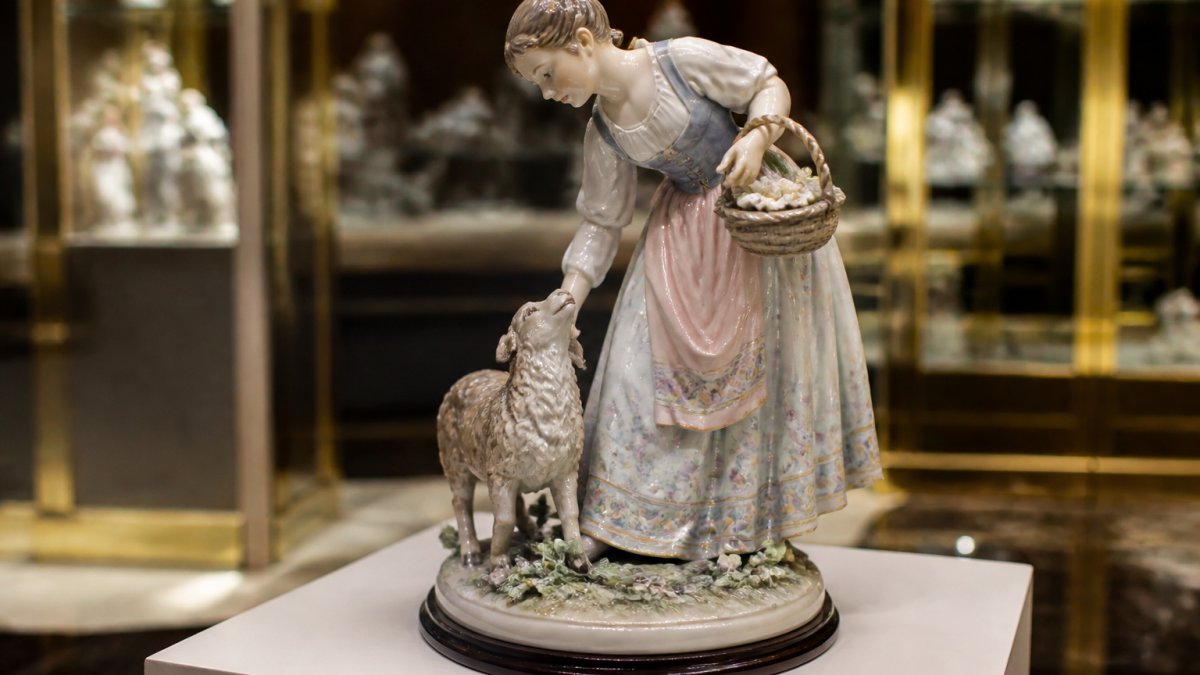
Specialized Retailers for Elite Porcelain Collections
Specialized retailers differ fundamentally from general marketplaces. They authenticate pieces, verify provenance, and organize inventory by rarity and artistic heritage rather than price alone. A true specialist curates collections, they don't just list inventory.
When evaluating specialized retailers, look for three things: authentication standards, documentation completeness, and organizational expertise. HIGH END COLLECTIBLES organizes its exclusive inventory by rarity, artistic heritage, and collector demand. This isn't just categorization, it signals that the business understands which pieces hold value and why.
The best specialized retailers provide Certificates of Authenticity (COA), original boxes, original bases, and detailed condition assessments. When you're investing in a piece like Lladró's Tea in the Garden (#01001759), an Elite Limited Edition of 2,000 pieces with approximately 300 hand-painted flowers and up to 70 colors, complete documentation is included, which is critical for proving authenticity and condition to future buyers or insurers.

Comparison of Premium Lladró Masterpieces
Different Lladró pieces serve different collector objectives. Some are acquisition targets for completing a thematic series. Others are investment pieces where rarity and edition size drive value. Still others are statement centerpieces meant to anchor a collection visually.
| Sculpture | Edition Size | Dimensions | Primary Appeal | Collector Best For |
|---|---|---|---|---|
| Tea in the Garden #01001759 | Elite LE 2,000 | 24" H × 21" W | Floral artistry, complexity | Collectors seeking intricate High Porcelain |
| Birth of Venus #01001864 | Elite LE 1,000 | 18" H × 32" W | Classical mythology, scale | Serious collectors with classical interests |
| Guardian Lioness Blue #01001990 | LE 188 | 27.25" H × 32.25" W | Exclusivity, symbolism | Collectors prioritizing rarity |
| Oriental Garden #01001775 | Elite LE 750 | 21" H × 39" W | Architectural detail, storytelling | Collectors seeking monumental compositions |
| 18th Century Coach #01001485 | Elite LE 500 | 17.75" H × 44.5" W | Historical narrative, movement | Collectors drawn to equestrian themes |
| Queen of the Nile #01001918 | LE 100 | 29.5" H × 63" W | Ultimate exclusivity, scale | Museum-quality investment collectors |
The Queen of the Nile represents the apex of this comparison. With only 100 pieces worldwide, it occupies a different category entirely. Its 63-inch width makes it a monumental centerpiece, and its limited edition status positions it as a serious investment piece rather than a decorative acquisition.
How to Authenticate Porcelain and Verify Provenance
Authentication separates legitimate collecting from costly mistakes. Many collectors report that they've encountered counterfeit Lladró sculptures selling for thousands online. The stakes are real, particularly when investing in five-figure pieces.
Identifying Authentic Fine Porcelain
Authentic fine porcelain exhibits specific characteristics. Lladró High Porcelain pieces are hand-cast and hand-finished, which means subtle variations exist between examples, but these variations follow predictable patterns. The glaze finish should be even and lustrous. Colors should be vibrant and consistent.
Weight matters more than collectors typically realize. Genuine porcelain has substantial heft. Reproductions often feel lighter because they're made from inferior clay or firing processes. Hold a piece in your hands. Authentic museum quality porcelain feels intentional and dense.
The base and markings tell a story. Legitimate Lladró pieces include the company mark, item number, and often the sculptor's name. These marks should be crisp and consistent with the era in which the piece was created. Lladró's marking standards evolved, knowing which marks correspond to which decades is essential for authentication.
Documentation and Certificates of Authenticity
A Certificate of Authenticity (COA) from a reputable source carries weight. However, not all COAs are equal. A COA issued by the original retailer or by a recognized authentication service means something different than a generic certificate.
Complete documentation should include the original box, original base, COA, and detailed condition notes. For a piece like Pursued Deer (#01001377), an Elite Limited Edition of 750 from 1978, complete documentation is included, which is what separates a verified museum-quality acquisition from an unverified sculpture that's difficult to resell.
Request condition photographs from multiple angles. Legitimate retailers provide these without hesitation. They should show the piece from the front, back, sides, and base. Close-ups should reveal any crazing, firing cracks, or restoration work. Transparency about condition, including minor flaws, indicates confidence in authenticity.
Sourcing Rare Lladró Porcelain Sculptures
Finding specific retired pieces requires strategy. Not every collector piece remains available. Some retired Lladró sculptures appear only occasionally on the market. Others have become increasingly difficult to acquire, particularly in new or mint condition.
Elite Limited Editions and Retired Collections
Elite Limited Editions represent the pinnacle of Lladró craftsmanship. These pieces are produced in smaller quantities, often 500 or fewer worldwide, and typically feature the highest level of artistic ambition. The Guardian Lion Blue (#01001991) and Guardian Lioness Blue (#01001990), both limited to 188 pieces worldwide, exemplify this exclusivity tier.

Retired collections present a different opportunity. When Lladró retires a sculpture, it stops production entirely. Pieces like Oriental Garden (#01001775), retired in 2017 after an Elite Limited Edition of 750, become harder to find as years pass. The longer a piece has been retired, the rarer new or mint examples become.
HIGH END COLLECTIBLES specializes in sourcing these retired items precisely because collectors struggle to find them elsewhere. Our curation process identifies pieces by rarity, artistic heritage, and collector demand.
Condition Grading Standards for Investment Pieces
Condition grading directly impacts investment value. A piece in mint condition commands significantly more than the same sculpture in good condition.
Mint condition means the piece appears exactly as it left the factory, no handling wear, no dust marks, no signs of display. The glaze is pristine. Colors are vibrant.
Like New indicates the piece shows virtually no signs of handling but may have minor storage wear on the original box or base. The sculpture itself remains pristine.
Good condition means the piece displays well but shows signs of ownership.
Lladró Tea in the Garden #01001759 | Elite LE 2,000 | Mint Complete →
Ask retailers to specify condition using these standards, not vague terms like "excellent" or "very good." Request detailed photographs that show condition honestly. This transparency protects both buyer and seller.
Porcelain Auction Houses and Estate Sales
Auction houses and estate sales represent alternative sourcing channels. They offer access to pieces that rarely appear through retail channels. However, they introduce different considerations around authentication, provenance documentation, and price discovery.
When Auction Houses Make Sense
Auction houses excel at handling significant pieces with complex provenance. When a museum deaccessions a sculpture or an estate includes museum-quality porcelain, auction houses have the expertise and audience reach to establish fair market value. They also provide third-party authentication, which carries weight for investment-grade pieces.
The downside is unpredictability. You cannot guarantee availability of specific pieces. Auction results vary based on buyer competition on any given day. Condition assessments, while professional, may not match the detail provided by specialized retailers who handle these pieces regularly.
For collectors seeking specific retired pieces like Cinderella's Arrival (#01001785), a High Porcelain sculpture with a Limited Edition of 1,500 worldwide, auction houses might surface examples occasionally. However, specialized retailers focused on Lladró curation often locate these pieces.
Collectible Porcelain Investment Strategy
Treating museum quality porcelain as an investment requires a different mindset than casual collecting. Investment pieces should appreciate or maintain value over time. This means focusing on rarity, artistic significance, and condition.
Identifying High-Value Pieces for Portfolio Growth
High-value pieces share specific characteristics. Limited edition status matters, pieces with smaller worldwide editions (under 500) tend to hold value better than larger editions. Artistic ambition matters, sculptures that showcase technical mastery, unusual subject matter, or significant scale command stronger demand.
The Queen of the Nile (#01001918), with only 100 pieces worldwide, represents the investment tier. Its monumental 63-inch width, Egyptian royal vessel subject matter, and matte and gold lustre finish position it as a museum-grade statement piece. Such pieces appreciate as Lladró's secondary market recognizes their significance.
Diversification within a porcelain collection works similarly to other investments. Rather than concentrating on a single sculptor or theme, collectors should balance across different artistic periods, subjects, and edition sizes. This hedges against market shifts that might favor particular themes or artists.
Insurance, Documentation, and Long-Term Care
Professional insurance requires professional documentation. Your insurer will ask for appraisals, condition photographs, and provenance verification. Complete documentation from purchase, including COA, original packaging, and detailed condition notes, simplifies this process significantly.
Store original boxes and bases even if you display the sculpture. These components affect resale value materially. A piece with original box and base commands premium pricing compared to the same sculpture without them. Protect packaging as carefully as the sculpture itself.
Display environment matters for long-term preservation. Avoid direct sunlight, which can fade hand-painted details over decades. Maintain stable temperature and humidity, fluctuations cause crazing and stress to the glaze. Use museum-quality display bases that support the sculpture's weight properly. These aren't luxuries, they're investments in preservation that protect your investment.
Porcelain Care and Maintenance for Collectors
Proper care extends the life of museum quality porcelain and preserves investment value. The difference between careful handling and careless handling becomes visible over time.
Handle pieces minimally and only with clean, dry hands. Oils from skin can accumulate on glazed surfaces. For monumental pieces like the 18th Century Coach (#01001485), moving requires professional assistance.

Dust with soft, dry brushes designed for delicate surfaces. Never use water or cleaning solutions on glazed porcelain unless you're absolutely certain the glaze is stable.
Store pieces in stable environments. Temperature fluctuations cause expansion and contraction that stresses the glaze.
Finding museum quality porcelain requires understanding where to look, how to verify authenticity, and what separates investment pieces from decorative acquisitions.
Frequently Asked Questions
How do I know if museum quality porcelain is authentic?
Authentic museum quality porcelain bears specific markers: maker's marks on the base, consistent glaze finish, proper weight for its size, and original documentation. Lladró pieces include Certificates of Authenticity (COA), original boxes, and display bases. Examine firing temperature marks, hand-painted variations, and kiln-fired characteristics. Request provenance documentation from reputable sellers who specialize in fine porcelain and can verify the piece's production history and condition.
What makes rare Lladró porcelain sculptures good investments?
Rare Lladró porcelain sculptures appreciate based on edition size, retirement status, artist reputation, and condition. Elite Limited Editions of fewer than 500 pieces worldwide typically hold value better than larger runs. Retired pieces like the Queen of the Nile (Limited Edition 100) or Pursued Deer (Elite Limited Edition 750) become increasingly scarce. Investment-grade pieces feature High Porcelain finish, museum-quality craftsmanship, and complete original presentation including box, base, and COA. Monumental compositions with complex sculptural details command higher premiums.
Should I buy collectible porcelain from auction houses or specialized retailers?
Specialized retailers like High End Collectibles offer curated collections organized by rarity and artistic heritage, with verified authenticity and professional condition assessments. They provide detailed provenance documentation and insurance-grade descriptions. Auction houses work well for estate liquidation but require expertise to spot condition issues and authenticate pieces. For serious collectors building investment portfolios, specialized retailers typically offer better transparency, complete documentation, and buyer protection than general auction channels.
What documentation do I need for insurance and resale?
Valuable porcelain requires a Certificate of Authenticity (COA), detailed condition report, high-resolution photographs from multiple angles, original retail price documentation, and provenance history. Professional appraisals from certified experts strengthen insurance claims. Original packaging (box, base, display stand) and artist/sculptor information should be documented. Keep records of acquisition date, purchase price, and any conservation work performed. This documentation protects your investment, facilitates insurance claims, and establishes value for future resale to collectors or auction houses.


